It is said that in India the people cherish two things above all else – the monsoon and the mango. It is in these two truths that we in South Florida can find a common ground with our brothers of Asia.
In South Florida the mango flourishes, casting a protective shade over our daily lives. Thirty years ago we thought ourselves conquerors of the untamed South Florida wilderness. Properties were large and so too our fruit trees. These giants came with a considerable price tag for maintenance and suffered at the hands of hurricanes. The taming of these goliaths growing within our home landscapes remains a daily preoccupation for the arborist and urban horticulturist. But, take heart, for the winds of change are blowing. The mango can now provide what the modern South Floridian desires. Among the wide diversity of color, flavor, season and tree size there is something for everyone.
Which variety is right for you? ‘Haden’ still dominates many of our minds even though it is a most inappropriate choice due to its exaggerated tree size and disease susceptibility. It is time for a change. We must look to new varieties that provide a manageable size, productivity, disease resistance and exceptional flavor. ‘Angie’, ‘Jean Ellen’, ‘Cogshall’, ‘Fairchild’, ‘Manilita’ and ‘Rosigold’ are a new generation of varieties that can provide all that the modern homeowner desires. Each will form a small, manageable tree, has excellent disease resistance and exceptional flavor. There will be no need for pesticides and the small tree sizes will make horticultural management a pleasure and room for more than one.
Tree management is now green and sustainable. You should grow your mangos in concert with our surroundings, avoiding the heavy chemical hand of fertilization and pest control. This should be welcome news to the overworked and under compensated homeowner. Yet, old habits die hard and we are taught to fear all that crawls or flies among our mango trees. Sadly it is not considered wise to simply live as part of the grand system. You, your trees and the insects and fungi among them are all part of a complex and wonderful system – it is a circle of life kind of thing.
Information on propagation by grafting.
Choose a healthy tree of reasonable size; there is no reason to plant a tree that is already fruiting. In fact, a small, two-gallon container tree will establish faster and resist hurricanes better than a large tree. This small, healthy tree will also fruit within two years if given proper care. At planting, the tree should be handled with care, but not lavished with inputs. A thorough watering at planting and a firming of the soil will suffice. Do not add chemical fertilizers or soil amendments. The mango tree is well adapted to South Florida soils and climate and does not need such treatment.
Watering should be provided every fourth day if there is no rainfall. Watering should continue until the tree is established in about 6 months. To avoid the need for watering, your trees can be planted in the summer when our rains are heavy and consistent. Following establishment the mango tree will need no supplemental watering. An irrigation system will increase the incidence and severity of disease, reduce flowering and lower quality of your mango trees, so turn it off or protect your mango tree from it.
![]() |
|
View a video of Senior Tropical |
Do not burn a mango tree with fertilizer. We recommend that no nitrogen fertilizers be given to the young tree until fruiting begins. Nitrogen is the first of the three numbers that appear on the fertilizer label. You should use instead a potassium fertilizer. Potassium is the last of the three numbers on the label. We use a 0-0-50 formulation, sprinkled lightly below the drip-line of the canopy three times per year. Take care not to apply the fertilizer to the trunk. The ultimate in green care for your tree is to supply all your nitrogen in the form of an organic plant mulch or properly composted manure.
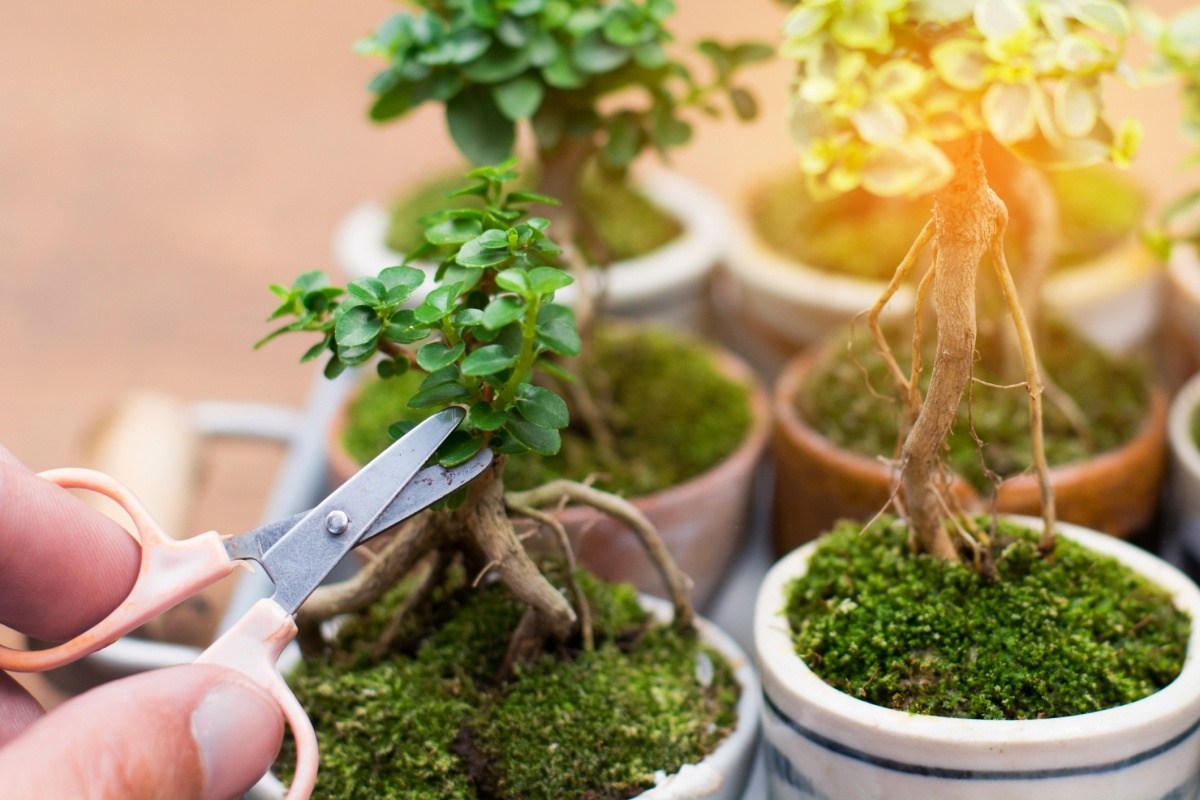
Pruning must begin immediately and last throughout the life of the tree. At planting, the terminal bud is cut to encourage branching. The young tree will make from 3 to 5 branches below the pruning cut. When these new shoots have produced two growth flushes of new leaves they are tipped to encourage further branching. Tipping is critical in the first four years and results in the formation of a mango “bush”.

The mango bush will bloom and fruit earlier than the tree not pruned in this method. After the fourth year, one must thin the canopy by removing at least one major branch per year. This must be done on trees that are vigorous and may not be necessary on the more dwarf modern varieties.
It is time to embrace the new. It is time for a mango change. We have the varieties, we have the technology and most importantly we have attained the level of understanding to allow us the patience to grow green. The mango and the homeowner can grow together as part of this grand system that we live in. Your neighbors will thank you, our lakes and oceans will benefit and you in the meanwhile can simply enjoy the fruits of your labors. Good growing!
![]() |
| View of video of Senior Curator of Tropical Fruit Dr. Richard J. Campbell talk about when to harvest a mango. |
![]() |
| View a video of Senior Curator of Tropical Fruit Dr. Richard J. Cambell talk about gravity and disease. |