Curator's Choice Mangos
Dr. Richard J. Campbell, and Noris Ledesma the Curators of Tropical Fruit, have carefully selected mango cultivars well-suited to contemporary conditions. These cultivars represent a new generation of mangos with superior horticultural traits. They remain small in stature, yet produce top quality fruit. Trees are approximately 3 ft. in height, growing in a 2 gallon plastic pot. For your convenience, a tree holding area is available both days of the Festival. (Sorry, we cannot pre-sell, hold or ship trees.).
2010 Curator's Choice Selections:

'Angie' (Florida)
'Angie' was selected for home garden and estate agriculture in South Florida due to its compact growth habit, disease tolerance and overall fruit quality. The fruit are 400 g, oblong and saffron yellow with Indian orange blush on the sun-exposed shoulders. The skin is smooth and without visible lenticels. The flesh is tangerine orange and without fiber. The flavor is classified in the 'Alphonso' class of mangos with a deep sweetness and sophisticated profile rich in apricot. The disease tolerance is excellent and given its early season it often can be harvested before the rainy season in South Florida. The tree is semi-dwarf and highly manageable with annual pruning. Size can be maintained at or below 3 m with consistent production. The tree is easy to grow if nitrogen is kept low and the tree is not over-watered or grown in soils prone to flooding or with a high watertable.

'Jean Ellen' (Florida)
'Jean Ellen' was selected as a home garden variety due to its early season, heavy production and its multiple bearing habit. The fruit are 300 g, oblong to lanceolate with a lemon yellow color. There is no blush to the fruit. The skin is smooth and typically has numerous corky lenticels and due to its habit of fruiting during the windy Spring, there are typically visible abrasions on the surface of the fruit. The flesh is an opaque yellow and there is a small amount of rough fiber near to the seed. The flavor is classified in the 'Alphonso' class, with a sweet, simple flavor of tropical spice. The tree grows easily and is semi-dwarf and precocious. The tree and fruit are moderately tolerant of disease and there are typically multiple blooms during the year. The season is from April to June in South Florida.

'Emerald' (Florida)
‘Emerald’ was selected on Pine Island, Florida many years ago due to its heavy production, disease resistance and excellent flavor. It falls within the ‘Bombay’ flavor class of mangos and has a deep, rich flavor with heavy tones of berry and Indian spice. The fruit are 350 g with a emerald green skin color. When exposed to the full sun the fruit will have a slight burgundy blush on the shoulder. The skin is smooth and waxy and very smooth. The flesh is deep orange and without fiber. The fruit can be scored and twisted open and eaten with a smooth. The tree is medium to large and is a vigorous grower. Nitrogen and water should be tightly controlled in order to get consistent, heavy production. The fruit ripen in the middle of the summer and have excellent disease tolerance and storage characteristics.
'Fairchild' (Panama)
'Fairchild' was selected by Dr. David Fairchild and his family in the early 1900s, in the Panama Canal Zone. The small, oblong fruit average 10 oz. and have lemon yellow skin at maturity in June and July. The juicy, fiber free flesh is deep orange and aromatic, with a rich, spicy flavor. 'Fairchild' always ranks among the top cultivars in public evaluations at Fairchild's annual International Mango Festival. The tree and fruit are highly tolerant of disease and fruit well under humid conditions, making it a natural for South Florida. The tree is among the most ornamental of mangos, with its compact shape and deep green color. It can be maintained at a height and spread of 8 ft. or less, perfect for those with a modest-sized home garden.
'San Felipe' (Cuba)
'San Felipe' is an eye-stopping beauty from western Cuba. She has many characteristics of the 'Haden' of Florida, although she is larger at nearly 1 ½ lb., with a bright yellow background color, an apple-red blush overlaid by a blanket of white dots. The tree is vigorous, yet productive and a consistent producer. The flesh color is a deep yellow to orange and the flavor is rich, sweet and spicy, one of the truly classic mango flavors of the world. 'San Felipe' is perfect for the home gardener in search of the taste of old Cuba, and for bragging rights among his neighbors.
'Manilita' (Mexico)
'Manilita' is from southern Mexico. The fruit are small and elongated, weighing about 9 oz. The color is an eye-catching pastel red, covering all but the nose of the fruit. The flesh is light yellow and silky-smooth, with a pleasing sweet and uncomplicated flavor. It is perfect for eating out-of-hand, for slicing and dehydrating. The fruit ripen early in the mango season and is among the earliest red mango available in Florida. The tree is dwarf and disease resistant and is perfectly suited for container or patio production. Tree size can be maintained at 7 ft. or less in height and 5 ft. in spread.
'Nam Doc Mai' (Thailand)
'Nam Doc Mai' is among the best dessert mangos of Thailand, with an exceptional appearance and eating quality. The fruit are long, slender and sigmoid, weighing from 12 to 16 oz. The ripe fruit range from a greenish- to canary-yellow, rarely with a reddish blush on the sun-exposed shoulder. The flesh is soft and juicy, with a sweet and aromatic flavor. 'Nam Doc Mai' has no fiber. In Thailand and throughout much of Asia, it encompasses what is most desired in terms of versatility and quality. It is used while mature green for dipping in sauces and for making sweet preserves and pickles. When ripe, they have a smooth, silky texture and extreme sweetness and bouquet. It has found a home in the Caribbean, where it grows and fruits well.
'Rosigold' (Florida)
'Rosigold' is a local selection of Southeast Asian heritage. It is the answer to those who just cannot wait for the mango season to arrive, because the fruit ripen from middle to late March. The fruit are cylindrical, weighing 11 oz and are a bright yellow, with crimson and red highlights on the sun-exposed shoulders. The skin is thick, tender and adhesive to the soft, melting and juicy deep-orange flesh. The flavor is rich, aromatic and sweet, with a hint of the Asian Tropics. There is no fiber in the silky flesh. The tree is small, manageable and highly productive and can be kept at 8 ft, while maintaining proper health and fruiting. Blooming often occurs in successive waves throughout the winter, resulting in a multi-harvest fruiting season. There is a need to thin fruit in most years to improve fruit size and quality.
Mangos of India
'Alphonse' (India)

Alphonse, often termed Alphonso, is among the finest of Indian dessert mangos. Originating in Goa, Alphonse weighs 10 oz, with an ovate-oblique shape. The fruit can be green or a bright yellow depending on the environmental conditions, and they often have a pink blush on the sun-exposed shoulder. The ripening fruit are the perfect accent for the kitchen, perfuming the air with a wonderful sweet and fruity aroma. The flavor also is intensely sweet, rich and full, with multiple aromatic overtones and a hint of citrus. There is no fiber in the orange, melting flesh. Alphonse is best eaten out-of-hand, and is exported from India to specialty markets in Europe, where it is sold for a good price. The fruit are harvested firm, at the mature green stage, and are not refrigerated prior to ripening. Mature-green fruit are ripened at 70F to develop optimal flesh texture, flavor and aroma.
'Mallika' (India)

Mallika is a hybrid between Neelum and Dasheri, and is considered among the best of the new generation of Indian dessert mangos. The tree is semi-dwarf, making it attractive to mango growers outside of India, who are always looking for new niche markets around the world. The bright yellow fruit are a flattened oblong shape, with a rounded base and an irregular, non-waxy skin. The fruit weigh from10 to 18 oz. When properly ripened, the pasty, but completely fiber-free flesh is a deep orange, with an intensely sweet, rich and highly aromatic flavor. Mallika fruit are harvested mature-green, before they Abreak color@ on the tree and should be stored at a temperature of not less than 70F for 2 to 3 weeks for proper ripening. In this manner their ultimate eating quality will be achieved. The fruit can be refrigerated after complete ripening, but not before. Although best consumed out-of-hand, Mallika also excels in juices and as dehydrated slices, with a distinctive honey flavor.
'Neelum' (India)

Neelum is a South Indian dessert mango, widely grown throughout the country and to an increasing extent in southernmost China. The fruit weigh 9 oz, with a ovate-oblique shape. They are smooth-skinned and bright yellow upon ripening and have no blush. The flesh is deep yellow or orange. There is no fiber and a rich, aromatic flavor that is over-powering to the unaccustomed palate. Neelum is best eaten out-of-hand, or used as slices or cubes in mixed fruit salads, as the firm flesh holds its shape. They have a late ripening season and can be stored for an extended time, which offers advantages in marketing. However, the fruit are only occasionally exported outside of their production areas, due to significant local demand. Neelum is a dwarf tree and may fit into modern production systems, which will hopefully increase its availability in commercial export markets.
'Totapuri' (India)

Totapuri is a traditional Indian cultivar selected for its use in processed mango products, both at the mature-green and ripe stage. The fruit are oblong-sigmoid with a smooth skin and light wax covering. The fruit are large, weighing 24 to 32 oz. The ripened fruit are a light green to a light yellow with a pink blush on the sun-exposed shoulder, overlaid by numerous large russet dots. The lemon yellow flesh is firm and rather dry, with an abundant fine fiber throughout. Sandersha is lacking in sweetness, with a more organic, spicy quality to the flesh. Although not suited for fresh consumption, Sandersha is among the finest of mangos for use in achar, chutney and other processed products. The firm flesh holds its shape during heating, processing and canning, resulting in a superior texture and appearance of the product. When ripe, the flesh retains some acidity resulting in a slightly tart taste. Sandersha and other processing cultivars are common within India, Pakistan and other traditional production areas, but they are not available in commercial markets in the Western Hemisphere. Often the Florida cultivar Keitt, which is available in our Western markets, is used as an adequate substitute.

'Pairi' (India)
‘Pairi’ is common in the states of Madras and Mysore, originally from Bombay. The fruit average 11 oz and are Naples yellow with the broad shoulders a pastel to dark red – the colors are more pronounced when grown near the salt breeze of the ocean. The skin is thick and pebbly to the touch, with a heavy wax coating. The flesh is without fiber and a Chinese yellow to cadmium orange, melting and juicy - the flavor rich in aspects of spiced fruit and peach with a powerful floral aroma. The tree is vigorous and open in growth habit and difficult to maintain small and productive. The tree, flowers and fruit are highly susceptible to disease; the arrival of the monsoon rains spelling an abrupt end to the fruiting season. In warm, tropical climates production is light and erratic and every effort must be made to reduce vigor by withholding nitrogen and irrigation.

'Fernandin' (India)
The variety is most probably of Portuguese Goa origin, spreading to new regions based no small part on her striking physical beauty. The fruit are oblong and petite, with an average weight of 9 oz (255 g) and a large stone. The mature fruit are sulfur yellow washed with blood red, often bleached to an orient pink on the sun exposed shoulders. The flesh has a bold sweet-tart component, with complex fruity aromas and a truly exquisite finish. The tree is upright and open in growth habit, with good tolerance to fungal disease and a frustrating tendency towards alternate bearing. Fruiting comes during the middle of the season. Yields are occasionally exceptional and always unpredictable and the disease tolerance is acceptable if the tree is kept wanting for nitrogen and water.

'Langra Benarsi' (India)
‘Langra Benarsi’ originated as a superior chance seedling near Benares, Uttar Pradesh, India. The fruit are medium size (320 g) with a thin, green and yellow skin. There is a dark red blush on the sun-exposed shoulders of the fruit and prominent lenticels across the skin. The flesh is fibreless and yellow in color, scented, highly melting, sweet and juicy and tangy. The stone is small and flattened. Fruit quality is excellent and bearing heavy. Fruiting comes during the middle of the season and the disease tolerance is good. The overall fruit quality is so good that people of eastern states of India consider it superior to ‘Alphonso’. The tree is a strong grower and must be controlled for proper, consistent fruiting. The fruit do not have a good storage life in Florida and should be eaten promptly.
Read information on growing mangos
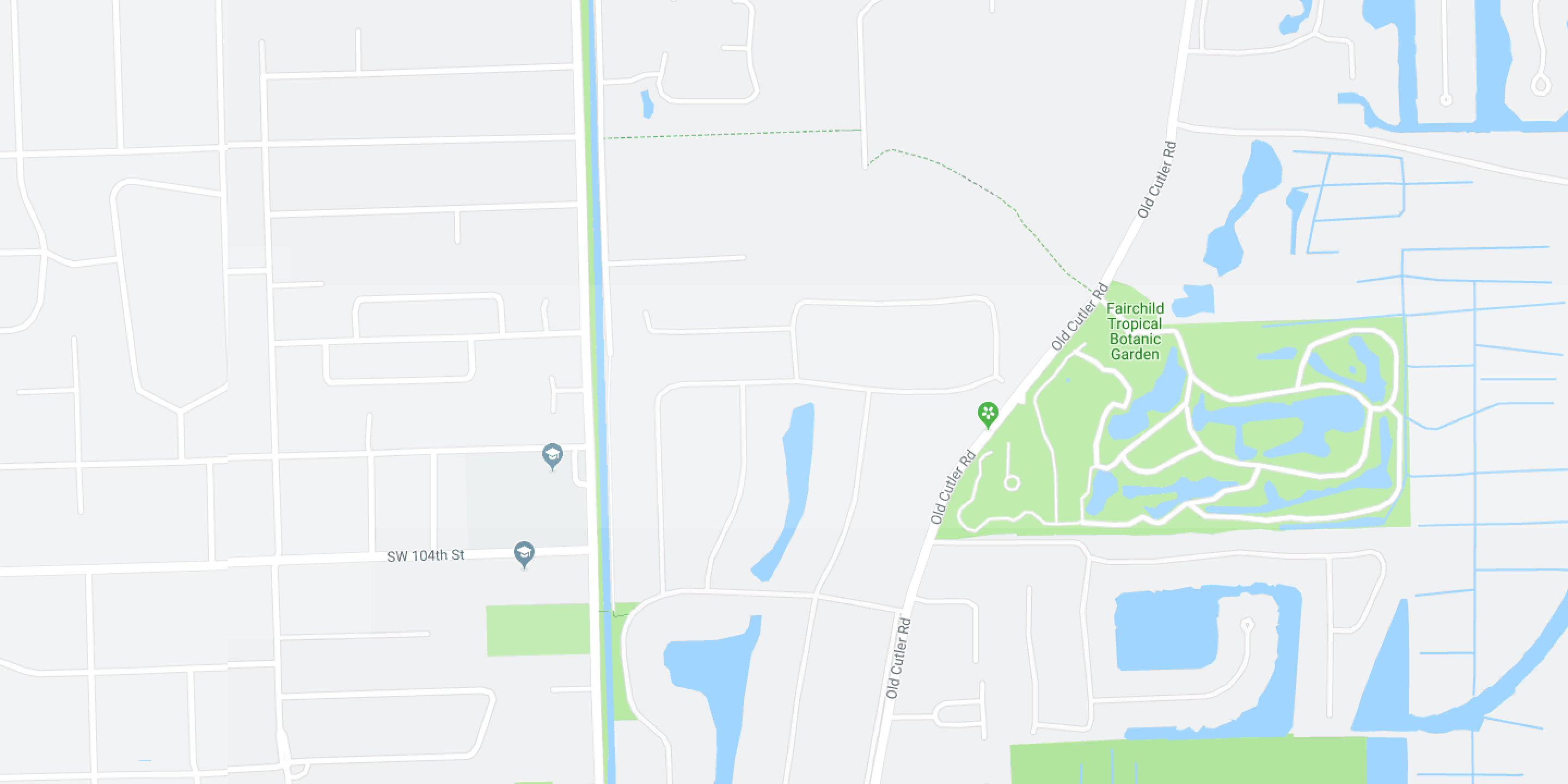
The Fairchild Farm: Home for the Mango Genetic Collection.