Fairchild's Palm Collection Joins NAPCC

 Since its founding, palm trees have been a major focus of Fairchild Tropical Botanic Garden's plant collections.  For over 65 years, botanists and horticulturists have visited tropical forests around the globe to bring back palm seeds, herbarium vouchers, and even DNA samples in an effort to amass as much information about this wonderful plant family as possible.  Those efforts were recognized last March when Fairchild's Arecaceae (palm) collection was named the National Palm Collection by the American Public Garden Association (APGA).

 
click photo to enlarge

Under APGA's North American Plant Collections Consortium (NAPCC) program, Fairchild's palms (and palm researchers, educators, horticulturists, and volunteers) were given a thorough review.  NAPCC does not grant member status simply because a garden's collection may be large.  A plant collection must have national significance.  Contributing factors include excellent horticultural care, herbarium and library holdings, updated plant records and labels, nursery capacity, educational programming, and public access.  If Fairchild grew its 550 palm species for display purposes only, it would not have been considered for membership.

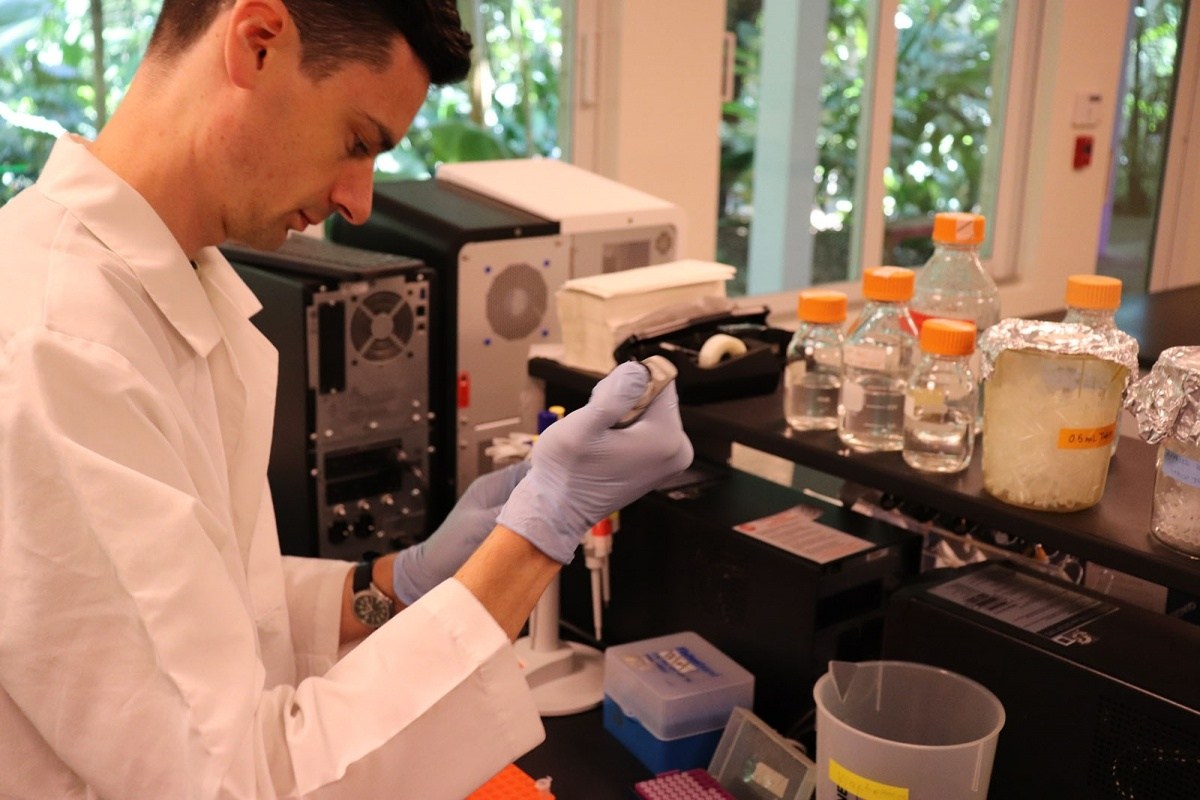
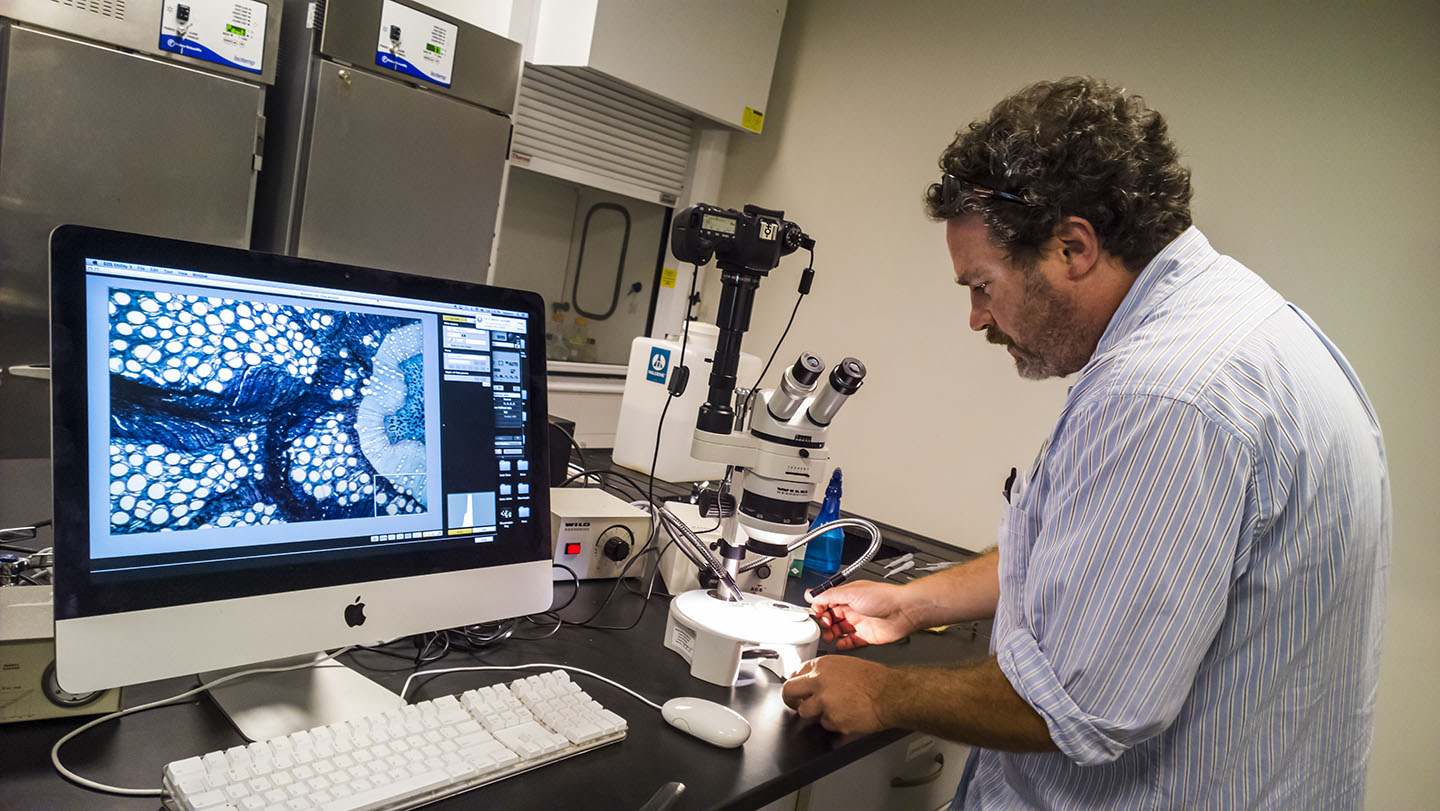
In fact, Fairchild's reputation as the center of North American palm research is well deserved. The Palm Biology program has six researchers whose work is focused on palms:  Dr. Scott Zona, Palm Biologist and current chair of the World Conservation Union's Palm Specialist Group, is a world-class taxonomist who has published several palm generic monographs; Dr. Jack Fisher, Senior Biologist and recipient of the Botanical Society of America medal for outstanding contributions to botany, studies palm anatomy and mychorrizal relationships in palm roots, and is working on a revision of the Monocotyledons with Dr. P. Barry Tomlinson; Dr. Carl Lewis, Richard H. Simons Senior Curator, is a molecular biologist who studies palm phylogeny, and has developed the world's first palm DNA bank; Dr. Javier Francisco-Ortega, a joint Florida International University appointment, is an expert on palm conservation genetics; Dr. Joyce Maschinski, who is managing the recovery of the Florida populations of Pseudophoenix sargentii; and Dr. Mike Maunder, expert in the conservation of island endemic palms.  Fairchild is the main research institution engaged in studies of local endangered species and their reintroduction in South Florida.  Fairchild is also involved in research and integrated conservation projects with partner institutions in the Caribbean, Africa, Mascarenes and Madagascar.


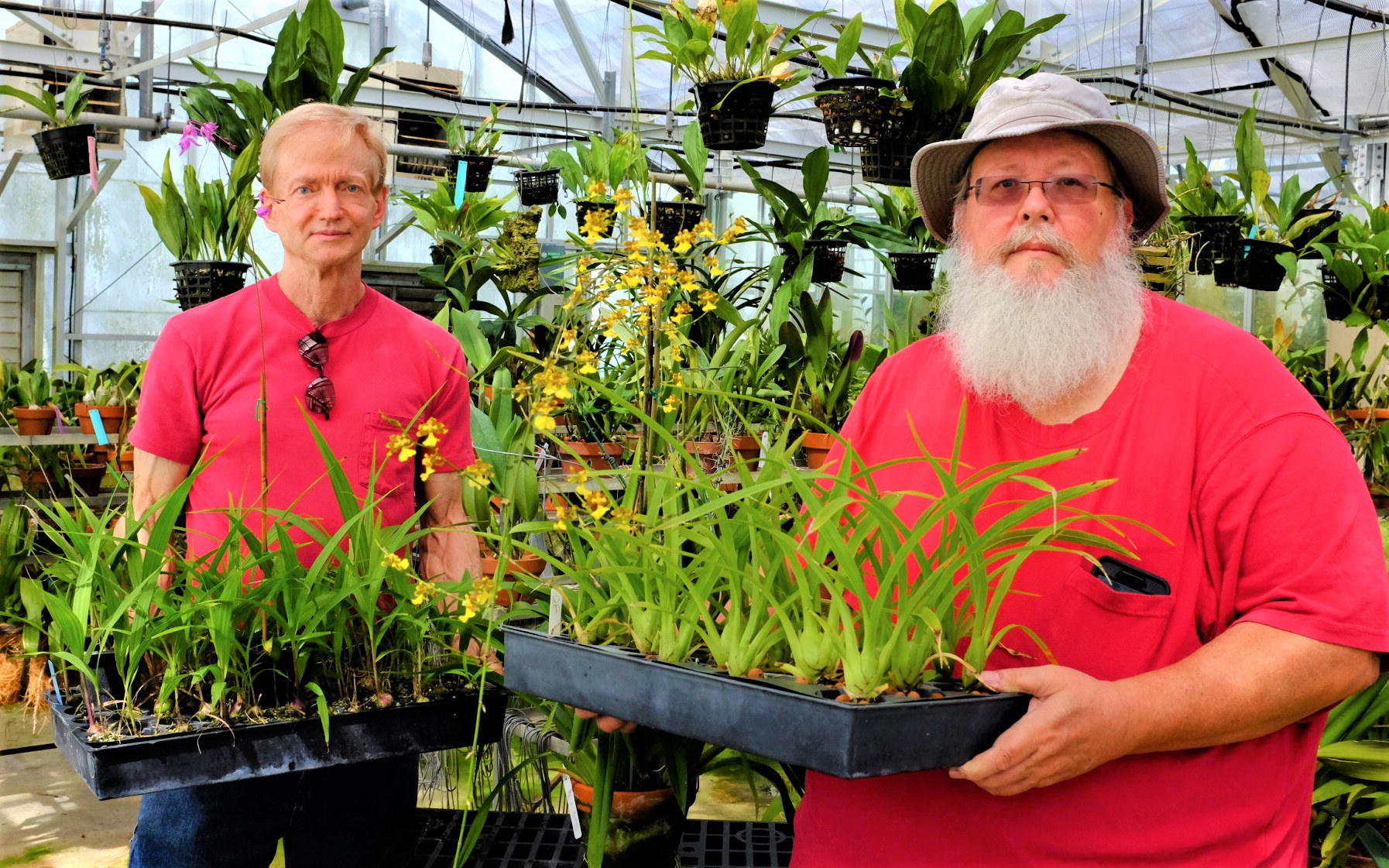
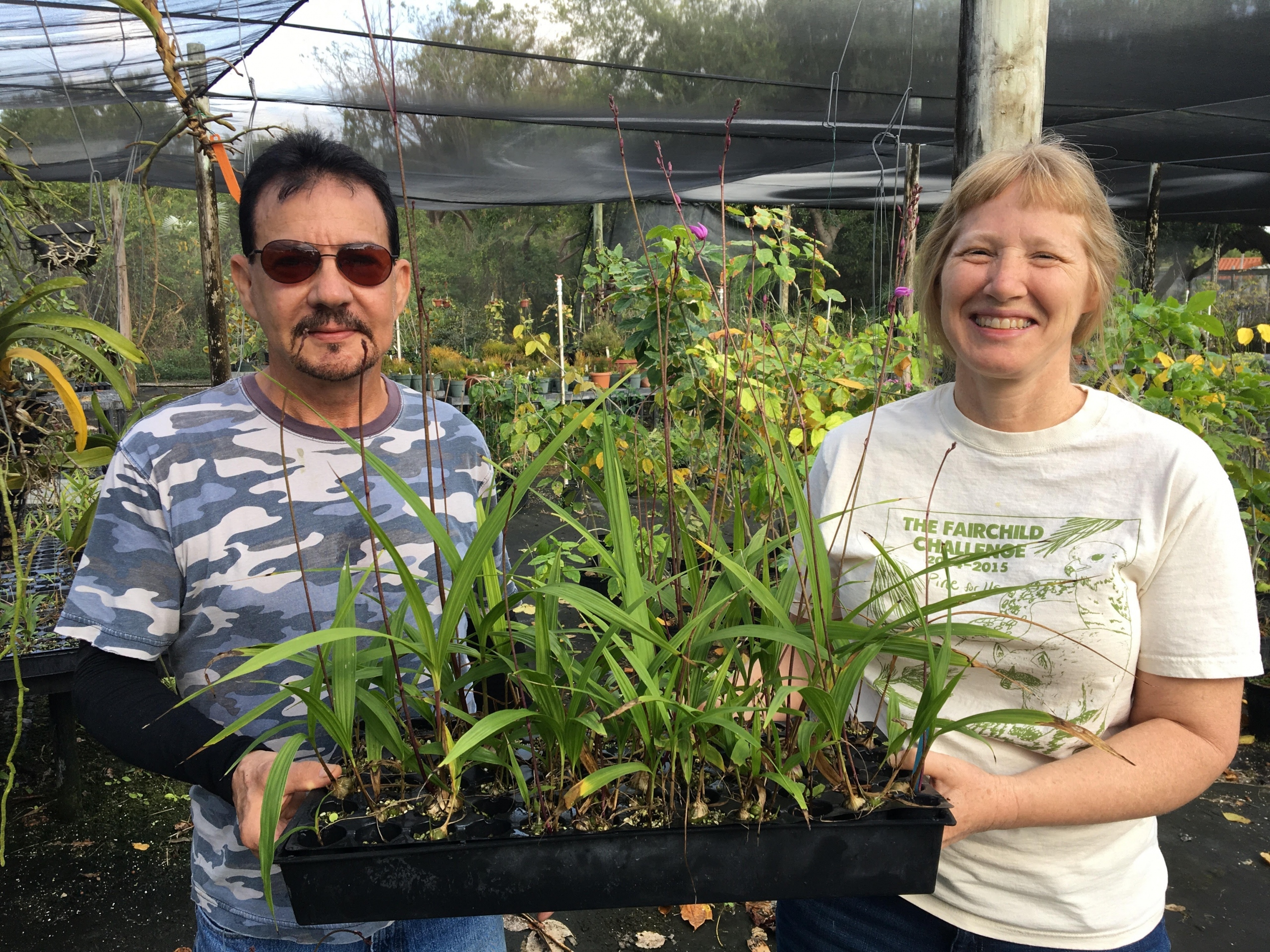
With about 550 taxa, there are more palms per square foot on public display at Fairchild than anywhere else in the world.  Their good health is a testament to expert care provided by Christie Jones, Curator of Palms and Cycads, who is assisted by a dedicated Grounds team and over twenty-five volunteers.  Ken Neugent, Nursery Manager, and Devon Powell, Nursery Horticulturist, nurture thousands of palms each year, from seed to plant.

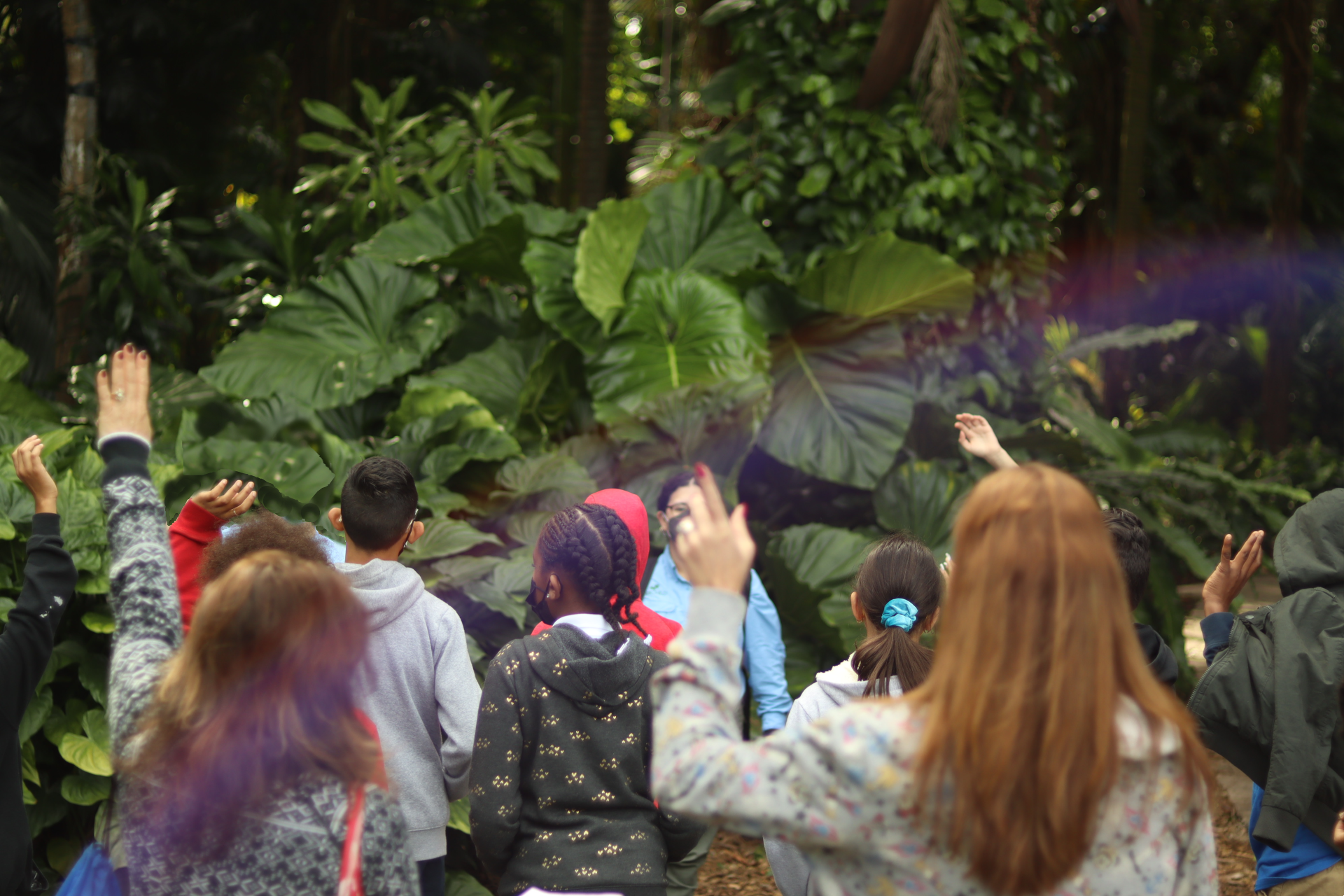
Besides walking tours and tram rides, educational components include The Fairchild Challenge, which features palms in several of its educational options, and the Fairchild Guide to Palms, a tremendous resource for both researchers and novice growers. 

Fairchild does not take membership in the NAPCC lightly.  Fairchild will be the leader in building a consortium of palm collection holders throughout North America and overseas, allowing a multi-institutional approach to managing living collections, coordinating conservation efforts, and allowing researchers greater access to plant material and collaboration.  The title, National Palm Collection, also represents the vision and hard work of thousands of people who have been part of the Fairchild family.  More than anything, this recognizes the masterpiece they built.