A partnership between Fairchild Tropical Botanic Garden and NASA

Growing Beyond Earth®

Middle and high school students run real plant experiments in their classrooms, and the results help NASA decide which crops astronauts will grow in space.

Growing Beyond Earth mission patch

500

middle and high schools

48

U.S. states

10

countries

80,000+

students since 2015

About the program

Real research for space and Earth

As astronauts travel farther from Earth, to the Moon and eventually Mars, they will need to grow food along the way. Growing Beyond Earth® turns classrooms into research stations where students help NASA identify the crops and growing methods to make that possible.

Participating classrooms receive a Fairchild-designed PlantLab, a plant habitat modeled after NASA’s plant-growing system on the International Space Station. Fairchild and NASA train and equip teachers, enabling students to help develop food production technology for the ISS and beyond.

What we learn for space also helps improve farming here on Earth. GBE helps us learn to grow food in cities, indoors, and in places where space, water, and other resources are limited.

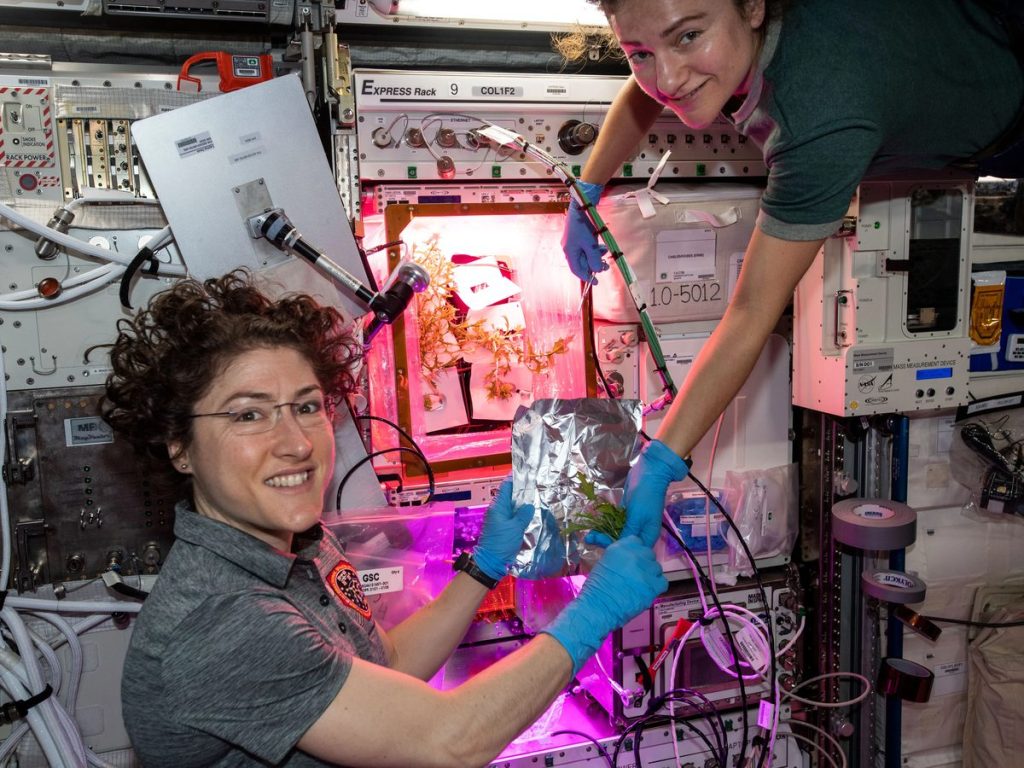
Astronauts Christina Koch and Jessica Meir harvesting crops on ISS

Expand crops for spaceflight

Students test which plant varieties grow best in conditions like those on the space station, adding variety and nutrition to astronaut diets.

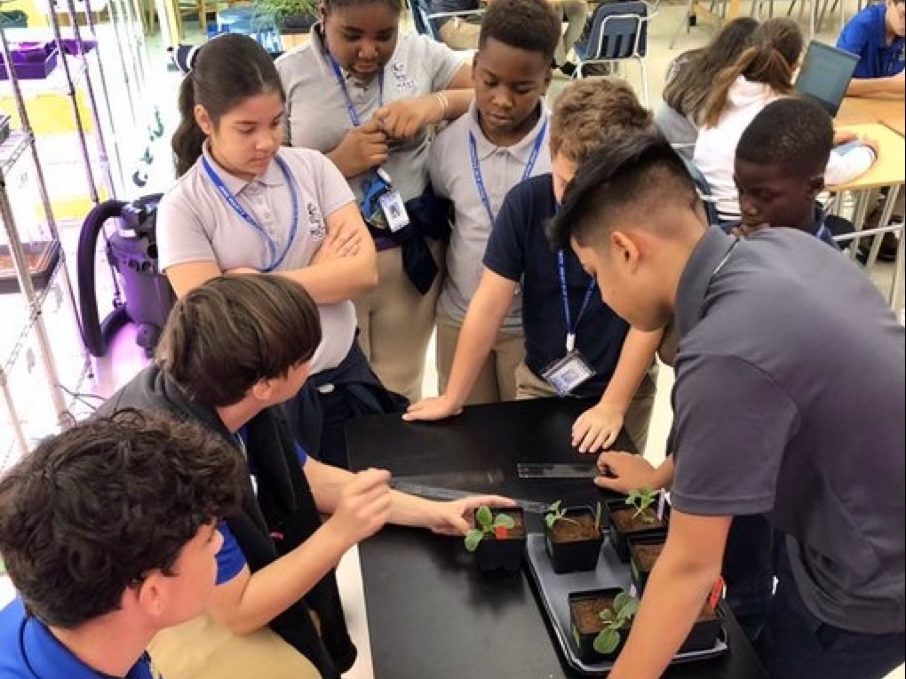
Bring botany into the classroom

Hands-on experiments make plant science a living part of everyday STEM teaching.

Inspire the next explorers

Students work alongside Fairchild and NASA scientists and present their findings to researchers.

A medida que los astronautas viajan más lejos de la Tierra, hacia la Luna y eventualmente a Marte, necesitarán cultivar alimentos durante el camino. Growing Beyond Earth® (GBE) convierte las aulas en estaciones de investigación donde los estudiantes ayudan a la NASA a identificar los cultivos y los métodos de cultivo que lo harán posible.

Las aulas participantes reciben un PlantLab diseñado por Fairchild, un hábitat para plantas inspirado en el sistema de cultivo de plantas de la NASA en la Estación Espacial Internacional. Fairchild y la NASA capacitan y equipan a los docentes, lo que permite a los estudiantes contribuir al desarrollo de tecnología de producción de alimentos para la estación espacial y más allá.

Lo que aprendemos para el espacio también ayuda a mejorar la agricultura aquí en la Tierra. GBE nos ayuda a aprender a cultivar alimentos en ciudades, en interiores y en lugares donde el espacio, el agua y otros recursos son limitados.

GBE ha llegado a 500 escuelas intermedias y secundarias en 48 estados y 10 países, y a más de 80,000 estudiantes desde 2015.

¿Preguntas? Escríbanos a GBE@fairchildgarden.org.

How it works

A school year of space crop research

1

Teacher training

Fairchild and NASA scientists train each teacher to run GBE experiments.

2

PlantLab arrives

Newly recruited schools receive a PlantLab and a starter kit of seeds and supplies.

3

Prescribed experiment

Fall. Every class runs an experiment designed by the GBE team and NASA, so results can be compared across hundreds of schools.

4

Independent research

Spring. Students design their own experiment around a question they care about.

5

Research symposium

Students present their results to NASA and Fairchild scientists, in person or online.

Classroom technology

The PlantLab and GBE Connect

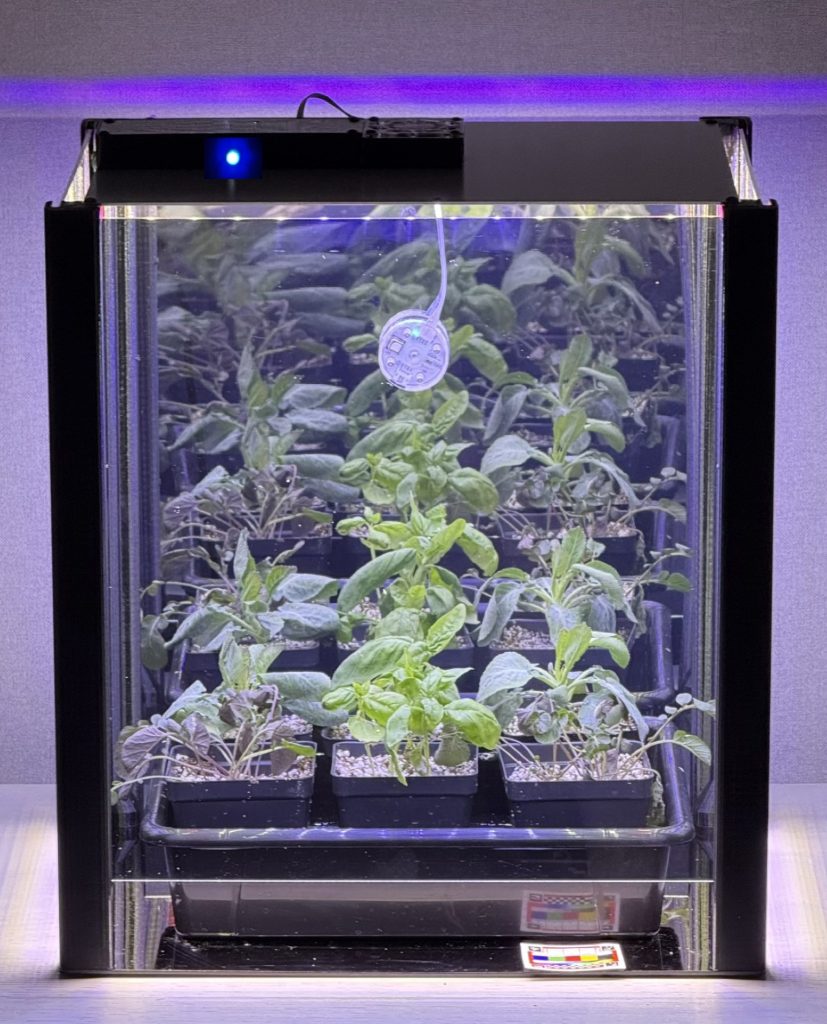
The PlantLab is a tabletop plant habitat modeled after Veggie, NASA’s vegetable production system on the International Space Station. It gives students a controlled environment for growing plants and exploring how light, temperature, humidity, and other conditions affect growth. Out of the box, it follows a day-and-night light schedule, monitors its environment, and logs sensor data automatically. As students gain experience, they can program the system, change growing conditions, analyze their data, and design their own experiments.

GBE Connect app icon

GBE Connect pairs with your PlantLab over Bluetooth to show live readings, change settings and install updates. It is available for iPhone, iPad, macOS, Android and Raspberry Pi OS.

A GBE PlantLab growing leafy greens under LED light
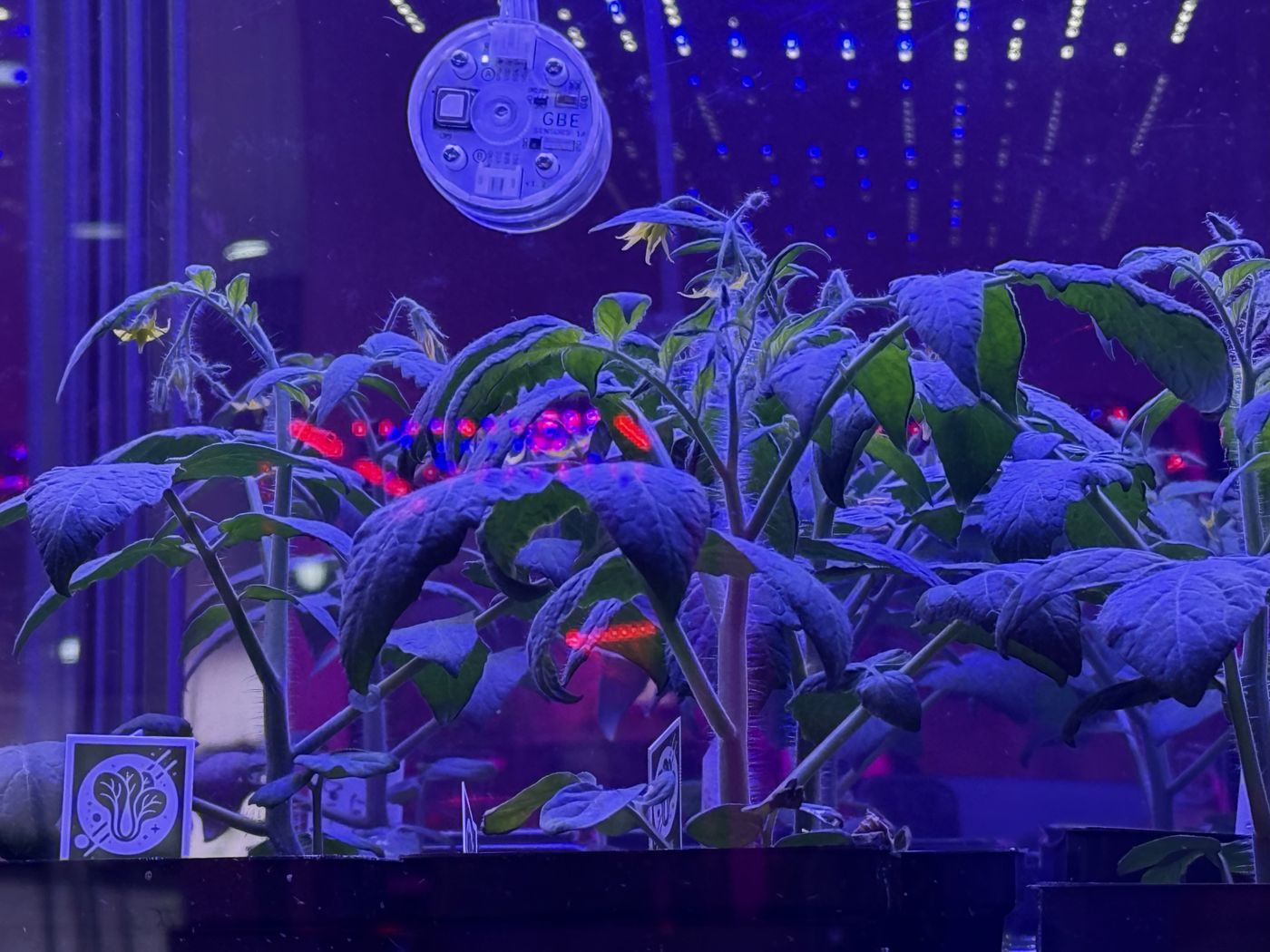
Plants growing under LED light inside a GBE PlantLab
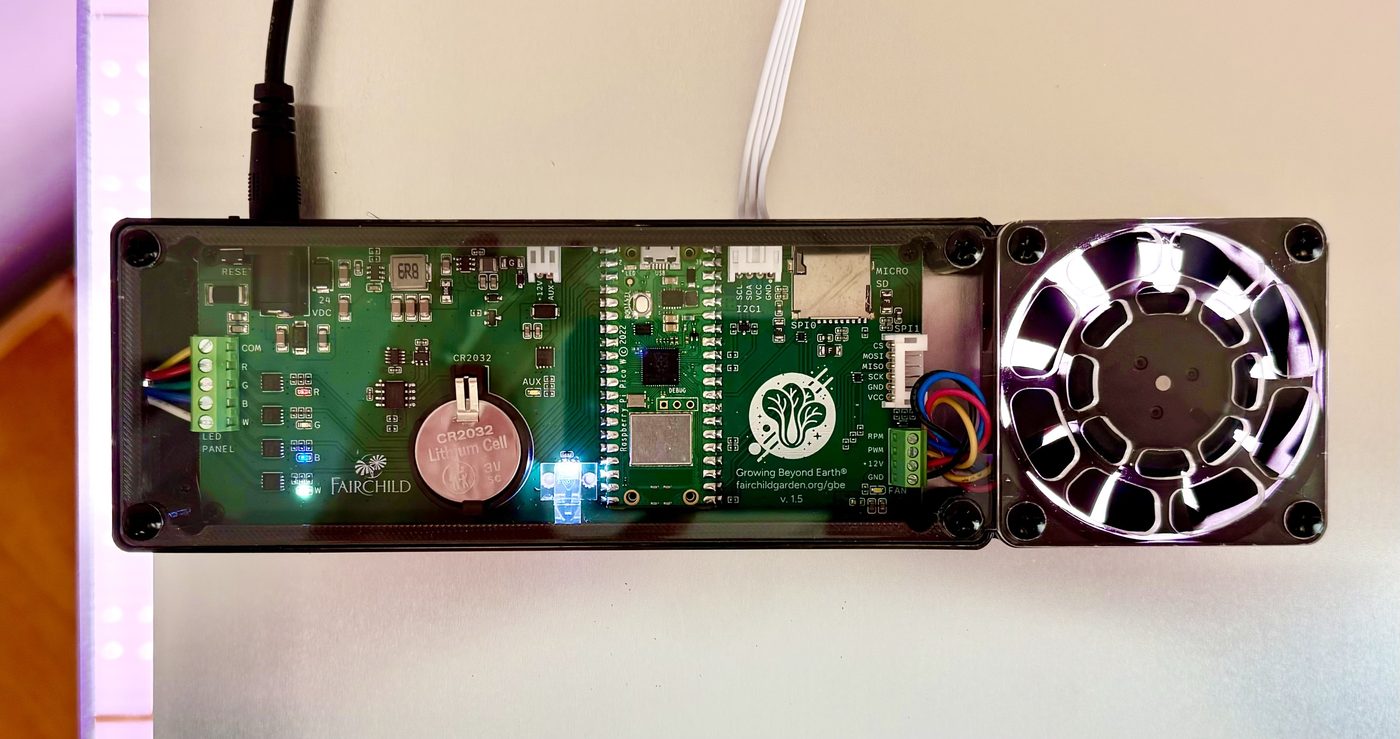
The PlantLab controller board and fan

Research results

What students are discovering

Every GBE classroom adds to a shared dataset that NASA’s Space Crop Production team uses to evaluate new crops for space. Explore the results below.

Last year’s results

Results from the 2025–26 prescribed experiments.

2024–25 experiments

GBE data portal

Browse results from past years and sensor data on the GBE data page.

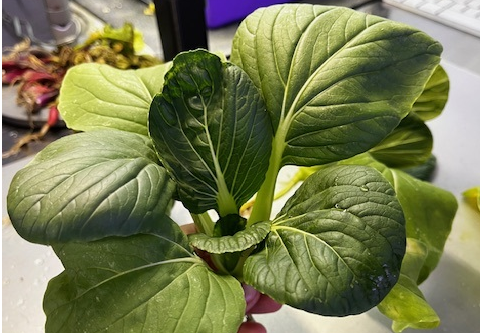
Pak choi
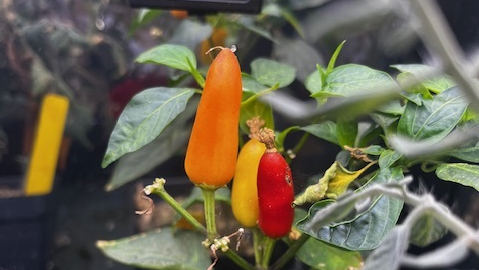
Peppers
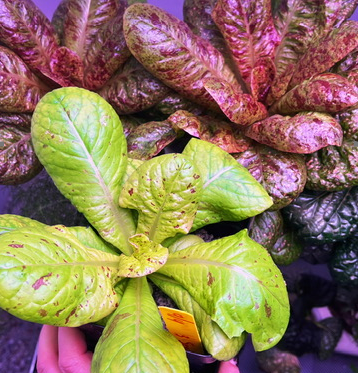
Lettuce varieties
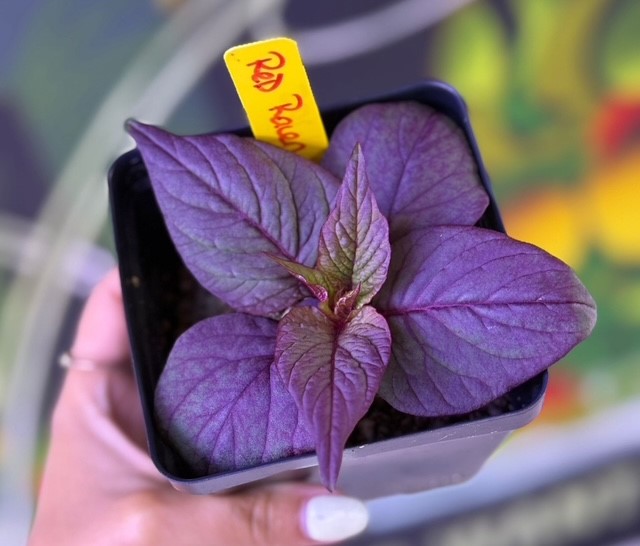
A purple-leaved seedling
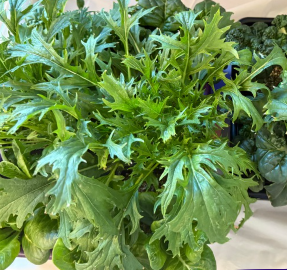
Mizuna
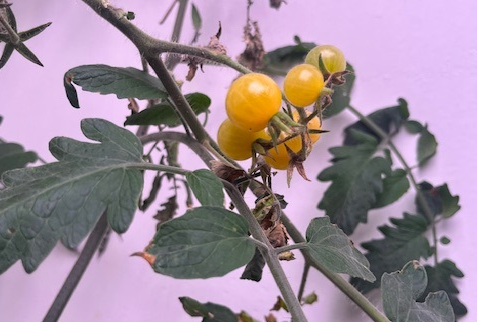
Tomatoes
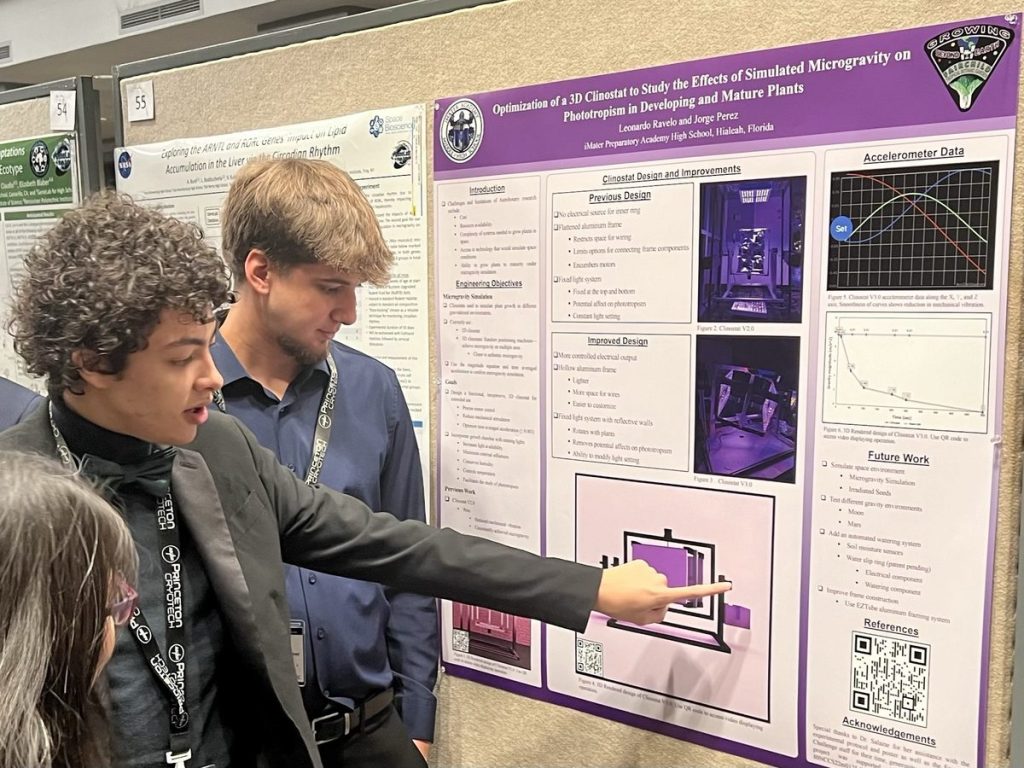
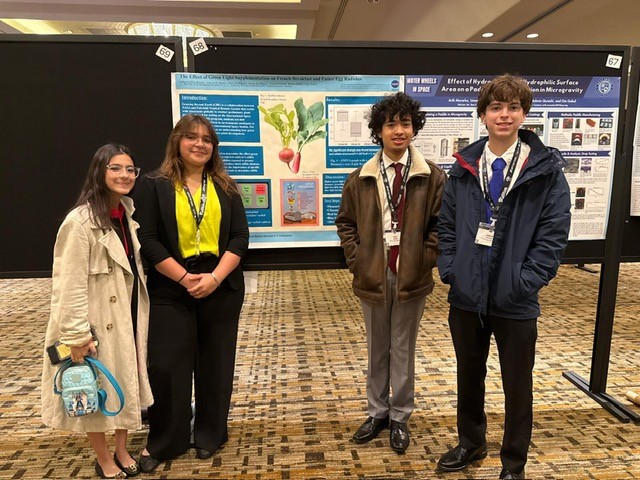
GBE students presenting their research

Student Research Symposium

2026: more than 80 schools and 300 participants

Students from across the country presented their research in person and online, and received feedback from NASA and Fairchild judges. Congratulations to this year’s top schools.

In person

  • First place: BioTECH at Richmond (9–12), Team SAGE
  • Second place: North Broward Preparatory School
  • Director’s Choice: Miami Palmetto Senior High School

Virtual: top five

  • Bonnie Branch Middle School
  • Brick Memorial High School
  • East Rockaway Junior-Senior High School
  • Ingenious STEAM PR
  • Odyssey Early College and Career Options

Save the date The 2027 Student Research Symposium is on April 17, 2027.

For educators

Get involved

Interested schools

Eligibility, how to apply and what participating involves. Open to grades 6–12 in the U.S. and internationally.

Participating schools

See where GBE classrooms are, and find protocols and the data portal for current teachers.

Teacher resources

Curriculum, tutorials, videos and guides for bringing space plant biology into your classroom.

Information sessions for next year take place in the spring. Watch past sessions →

Teaching in Miami-Dade, Broward, Palm Beach or Monroe County? GBE is also part of The Fairchild Challenge →

Program partners

Generously supported by

Questions about Growing Beyond Earth?

Our team is happy to help teachers, schools and partners.

This website is based upon work supported by NASA Science Activation award No. 80NSSC26M0152. Any opinions, findings, conclusions, or recommendations expressed in this material are those of the authors and do not necessarily reflect the views of the National Aeronautics and Space Administration.

Este sitio web se basa en trabajo respaldado por la NASA mediante la subvención de Science Activation No. 80NSSC26M0152. Todas las opiniones, hallazgos, conclusiones o recomendaciones expresadas en este material pertenecen a los autores y no reflejan necesariamente los puntos de vista de la Administración Nacional de Aeronáutica y del Espacio.

FOLLOW THE LATEST @fairchildgarden