Eric Bishop von Wettberg
Assistant Professor of Population Genetics
Florida International University, Department of Biological Sciences
Fairchild Tropical Botanic Garden, Center for Tropical Plant Conservation
Phone: 305-665-2844 x 3423/3432
Email: evonwettberg@fairchildgarden.org
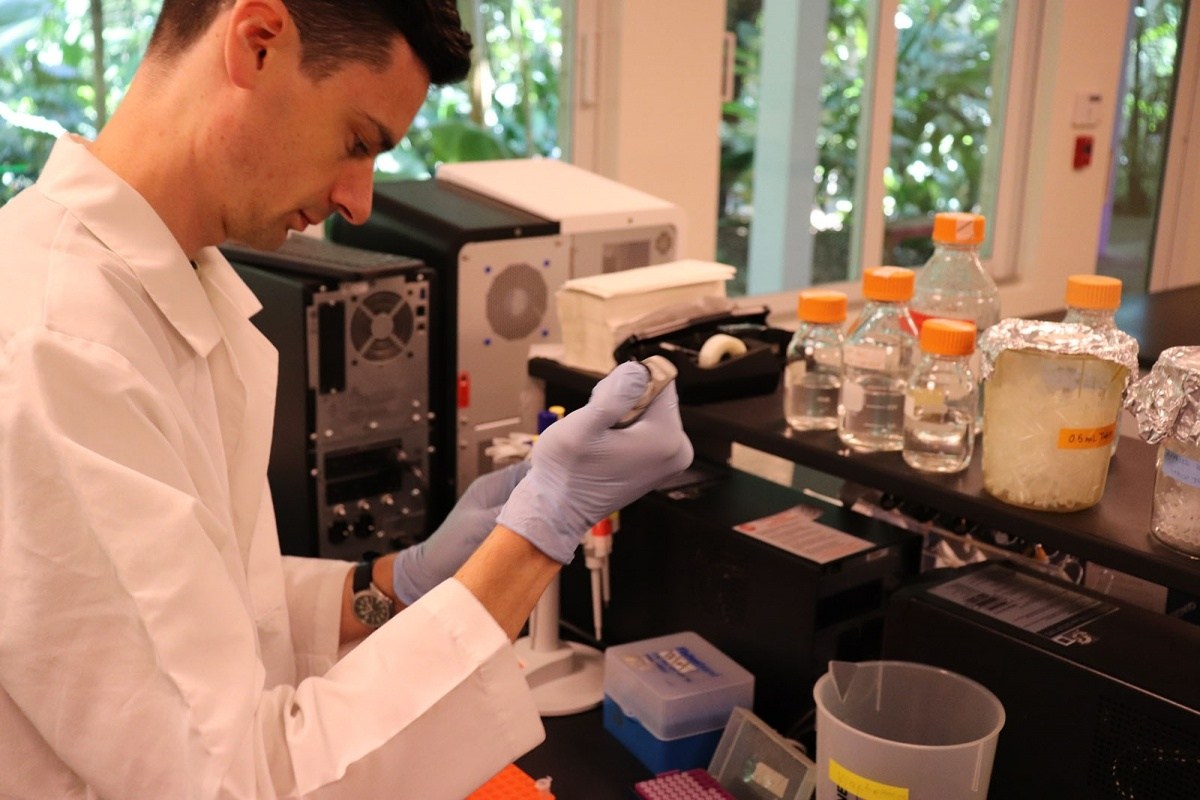
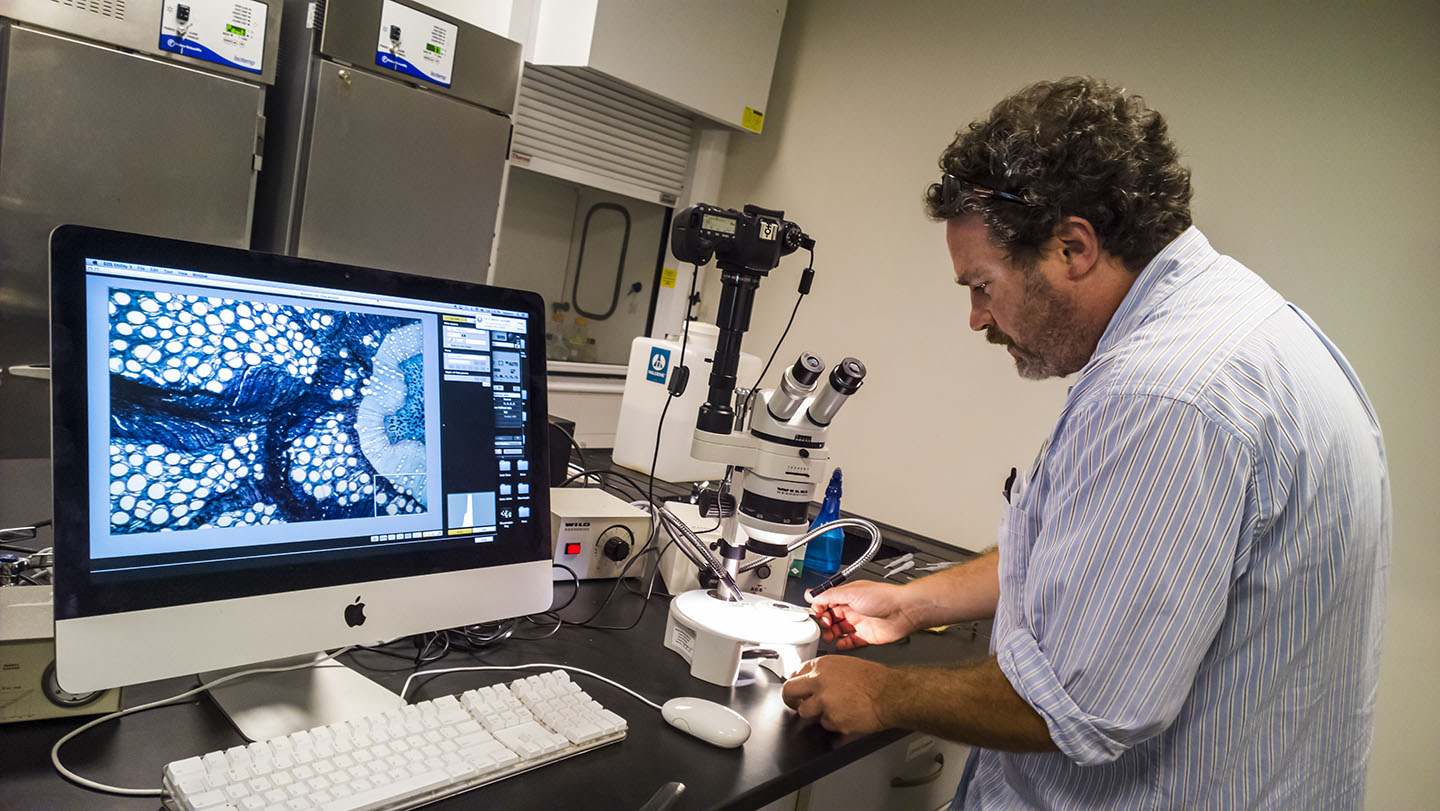
My main research interest is in plant conservation genomics and evolutionary ecology with a focus on using molecular tools to understand adaptation to particular habitats and utilize it for the protection of biodiversity. I use a mixture of genomic, quantitative genetic, greenhouse, and field approaches. Rooted into the strong tradition and commitment of Fairchild Tropical Botanic Garden for international collaboration and conservation, my studies have a strong field component that both test material under realistic conditions and develop strong relationships with developing world scientists. Current work in my lab centers on legumes of North African and Middle Eastern semi-arid saline areas, tropical crop legumes, and legumes of Florida and the Caribbean, but I am excited to explore other systems with collaborators and students. My laboratory is located at the University Park campus of Florida International University
[link to lab website]
[link to complete CV]
Education and Training
NIH NRSA Postdoctoral Fellow, Center for Population Biology, University of California at Davis, Davis (2007-2009)
Ph.D. Ecology and Evolution, Brown University (2007)
Dissertation: “Local adaptation and phenotypic plasticity in shade avoidance responses in Impatiens capensis”
Fulbright Fellow, Danish Royal Veterinary and Agricultural University, Copenhagen, Denmark (1999-2000)
B.A. in Biology, Swarthmore College, Swarthmore Pennsylvania (1999)
Recent Publications [link to complete list]
Turner, T.L., Bourne, E.C., von Wettberg, E.J., Hu, T.L., and Nuzhdin, S.V. 2010 in press. Population resequencing reveals local adaptation of Arabidopsis lyrata to serpentine soils. Nature Genetics. Available online January 2010, printed March 2010.
Friesen, M.L*. and von Wettberg, E.J* (2010) Adapting genomics to study the ecology and evolution of agricultural systems. Current Opinion in Plant Biology. Your browser may not support display of this image. doi:10.1016/j.pbi.2009.11.003 * Denotes equal contribution to the work
Wright, J, and von Wettberg, E.J. (2009) Serpentinomics – an emerging field of study. Northeastern Naturalist. 16(Special Issue 5): 285-296
Anten, N.P.R., von Wettberg, E.J., Pawlowski, M., and Huber, H. (2009) Interactive effects of spectral shading and mechanical stress on the expression and costs of shade avoidance. American Naturalist, 173:241-255.
Turner T.L., von Wettberg E.J., Nuzhdin S.V. (2008) Genomic analysis of differentiation between soil types reveals candidate genes for local adaptation in Arabidopsis lyrata. PLoS ONE 3(9): e3183. doi:10.1371/journal.pone.0003183
von Wettberg, E.J. Remington, D.L. and Schmitt, J. 2008. Partitioning adaptation differentiation across a patchy landscape: Shade avoidance traits in Impatiens capensis. Evolution, 62, 654–667.
Tabak, N., and von Wettberg, E.J., 2008. Native and introduced Impatiens of the Northeast: parallel introductions and global spread of temperate jewelweeds. Northeastern Naturalist, 15: 159-176.
Recent Grants and Awards
Teaching
Research Themes and Active Research Projects
My research activities focus on understanding adaptation to habitats, and utilizing this information for agricultural improvement and conservation of rare species and habitats. They link with the 80 year history of research and conservation of Fairchild.
Within these themes currently I have the following four Active Research Projects:
Community genomics of salt tolerance in Medicago truncatula
In collaboration with colleagues from the University of Southern Californa, UC Davis, and the Center for Biotechnology at Borj Cedria in Tunisa, we have resequenced the genomes of 40 individuals from saline and non-saline habitats in Tunisia, and examined the phenotypes of plants under several saline conditions in the greenhouse and field. Association mapping will provide candidate genes for salt tolerance in this wild relative of alfalfa, which subsequent mutant analysis will verify for the long-term aim of improving crop salt tolerance. [link to project website]
Population genetics of Florida and Caribbean legumes
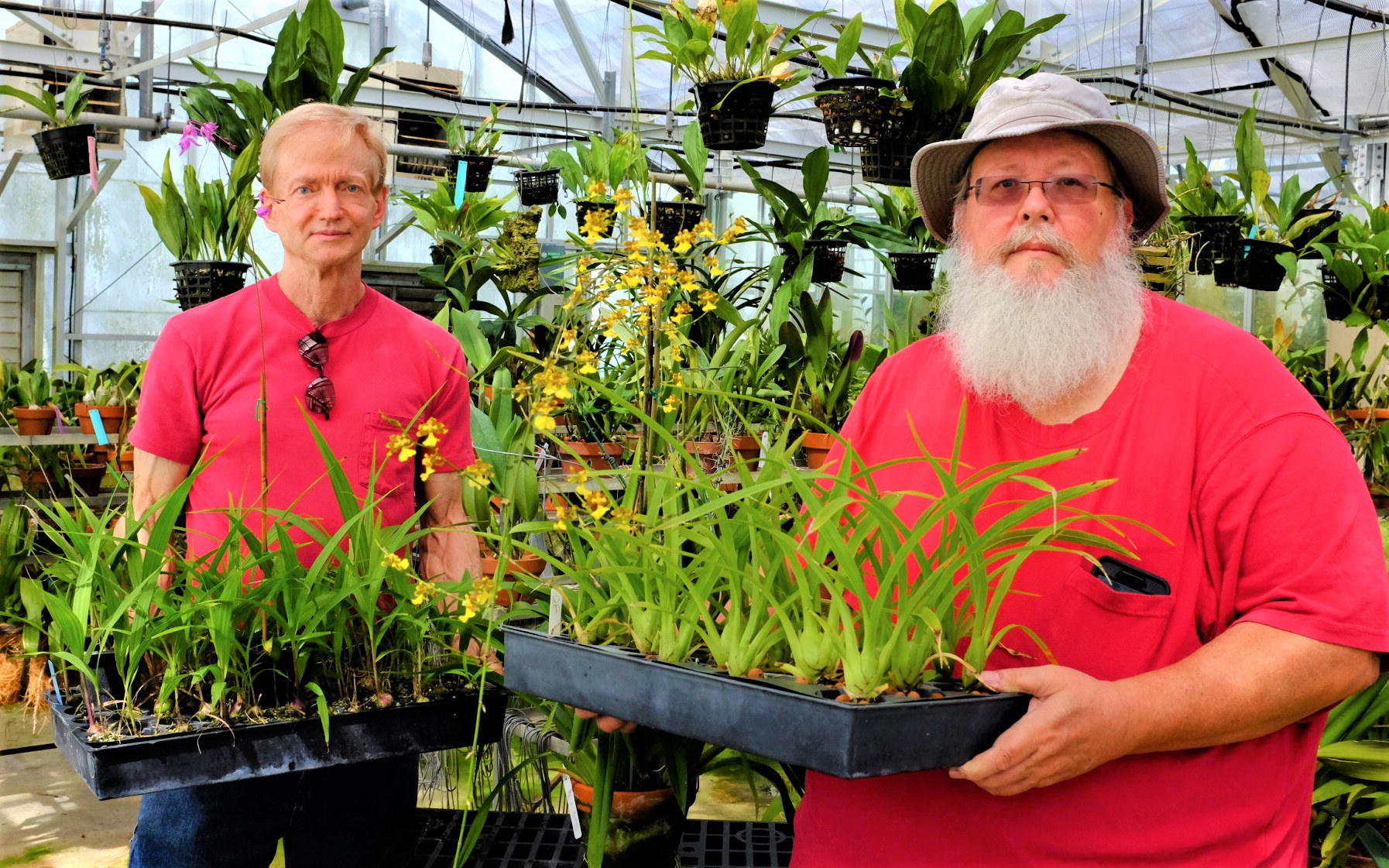
Plants from Florida the Caribbean Islands are in the core of the educational, horticulture, and research activities of Fairchild and they are one of the main priorities of my laboratory. We are examining genetic and morphological diversity in native and exotic legumes, and associated symbiotic nitrogen fixing bacteria across habitats. This work will shed light on the evolutionary history of plants and their symbionts, as well as adaptation to the different habitats where these plants occur.
The genetic basis of niche limits
We are modifying and extending existing methods for modeling niche breadth, to be suitable to predicting the climatic and abiotic tolerances of crop cultivars and ecotypes. We have utilized data from Impatiens and am starting new projects that will utilize data from Medicago, Cajanus, Vigna, and other species as they become available.
Genomics of adaptation to serpentinic soils
Serpentinic soils are toxic to most plants, but rich in the rare species that can tolerate them. These soils, derived from metaphorphic rocks along tectonic boundaries and rich in heavy metals and magnesium, and low in calcium, nitrogen and phosphorus, make a good system for studying the genetic basis of tolerating abiotic stresses. I have worked with relatives of the model plant Arabidopsis that tolerate these soils, and am looking for other taxa with representatives that occur on and off of theses soils.