Brett Jestrow, Ph.D.

Brett Jestrow, PhD

Herbarium Curator

Center for Tropical Plant Conservation,
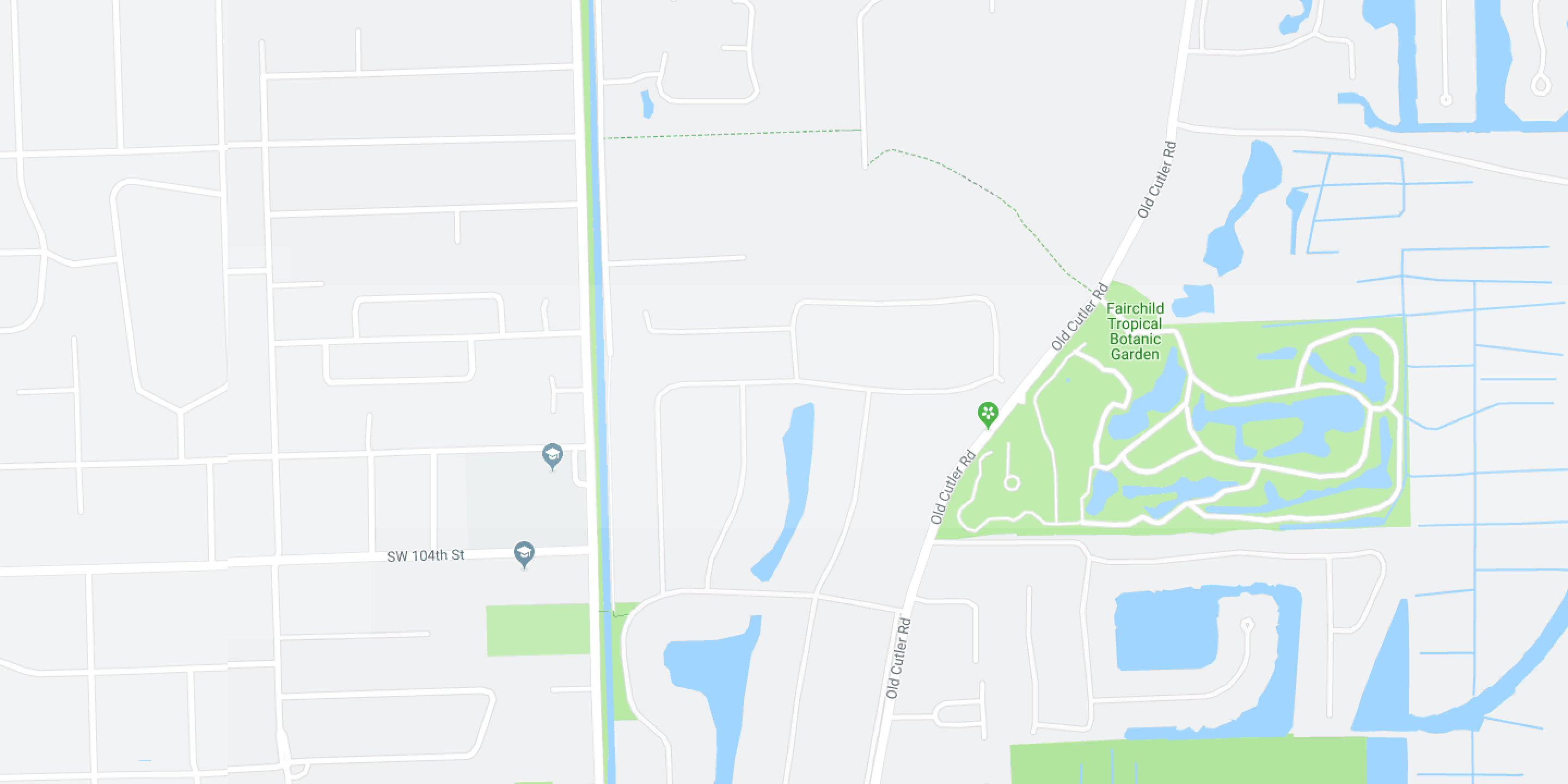
Fairchild Tropical Botanic Garden

Phone: 305-665-2844 x 3427

Email:bjestrow@fairchildgarden.org

 CV


Research Activities

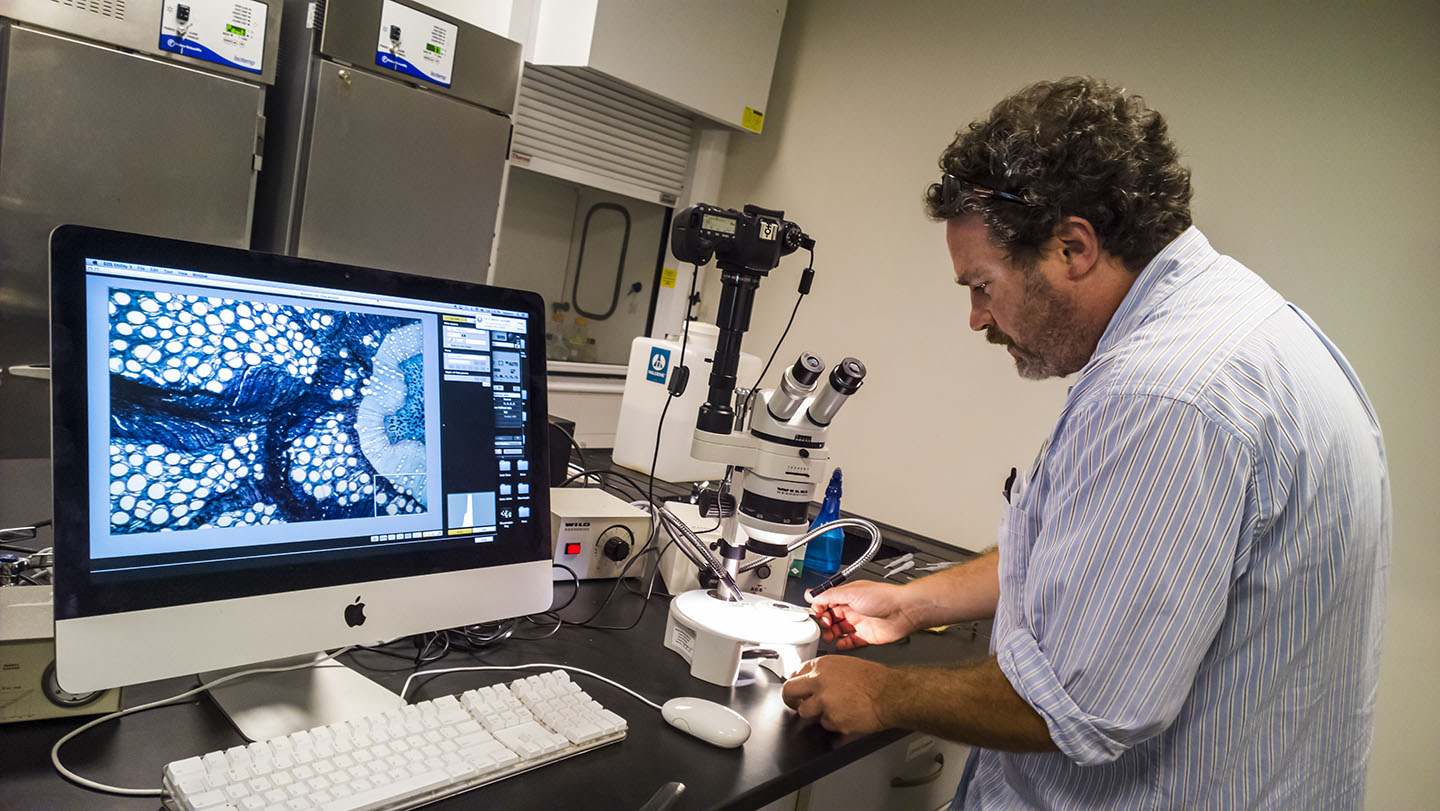
I focus on Caribbean plant evolution (including South Florida), covering anatomical and molecular methods. Of course, conservation and education are important parts of all research.

Every month, the herbarium hosts the Plant Identification Workshop a fun way to see a herbarium first-hand, and see how we identify plants.

Current research projects:

-  Phylogenetics of endemic genera of the Caribbean

-  Physiology of the nickel hyperaccumulating genus Leucocroton

-  Succulent evolution in the Caribbean (other than cacti...)

Publications:

Jestrow, B., G. Proctor, and Francisco-Ortega. 2008. Lasiocroton trelawniensis (Euphorbiaceae), a critically endangered species from the cockpit country of Jamaica, belongs to Bernardia (Euphorbiaceae). Botanical Review 74: 166-177

Jestrow, B., F. Jiménez, and J. Francisco-Ortega. 2010. Generic delimitation in the Antillean Adelieae (Euphorbiaceae) with the description of the Hispaniolan   endemic genus Garciadelia. Taxon 59: 1801-1814

Zona, S., J. Francisco-Ortega, B. Jestrow, W.J. Baker, and C.E. Lewis. In press. Molecular phylogenetics of the palm subtribe Ptychospermatinae (Arecaceae).  American Journal of Botany.

Jestrow, B., J.E. Gutiérrez Amaro, and J. Francisco-Ortega. In press. Islands within Islands; a plant radiation across the Caribbean Islands and within the serpentine archipelago of Cuba. Journal of Biogeography.


Education and Training

Florida International University. Ph.D. in Biology, 2010

University of Florida, B.S. in Botany, 2002


Teaching at Florida International University

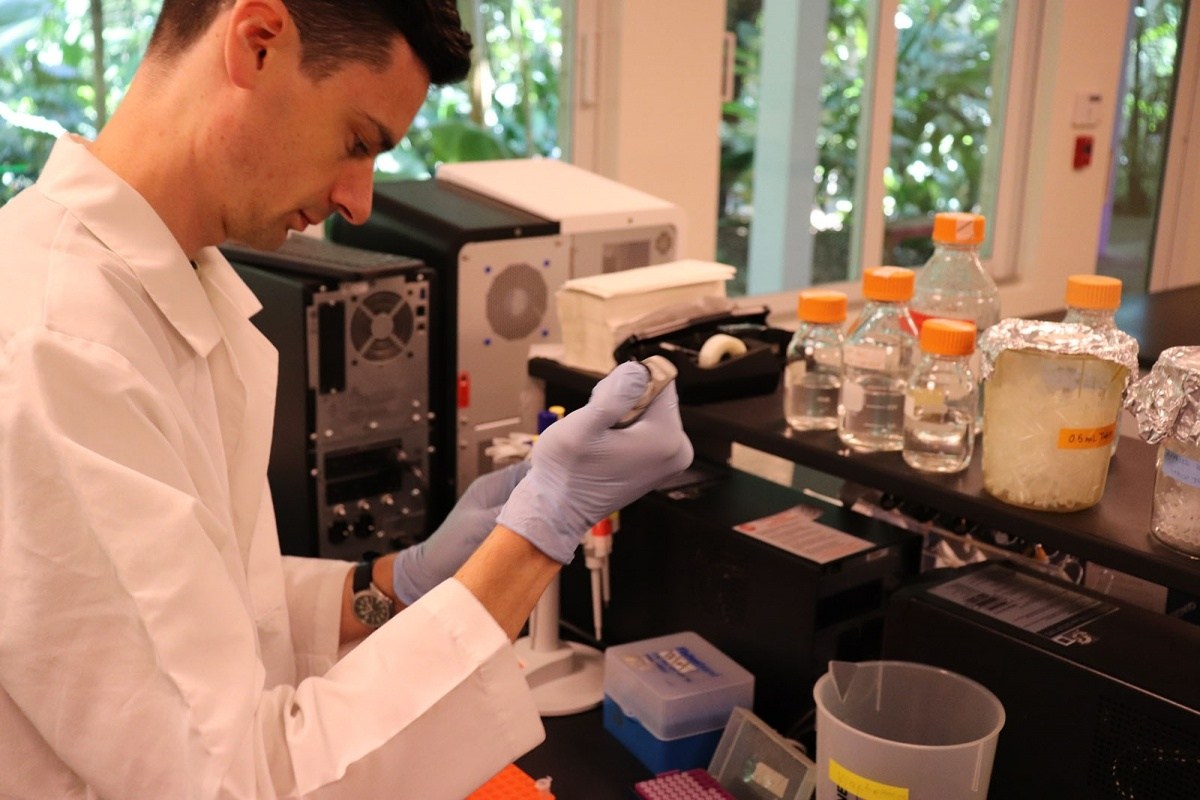
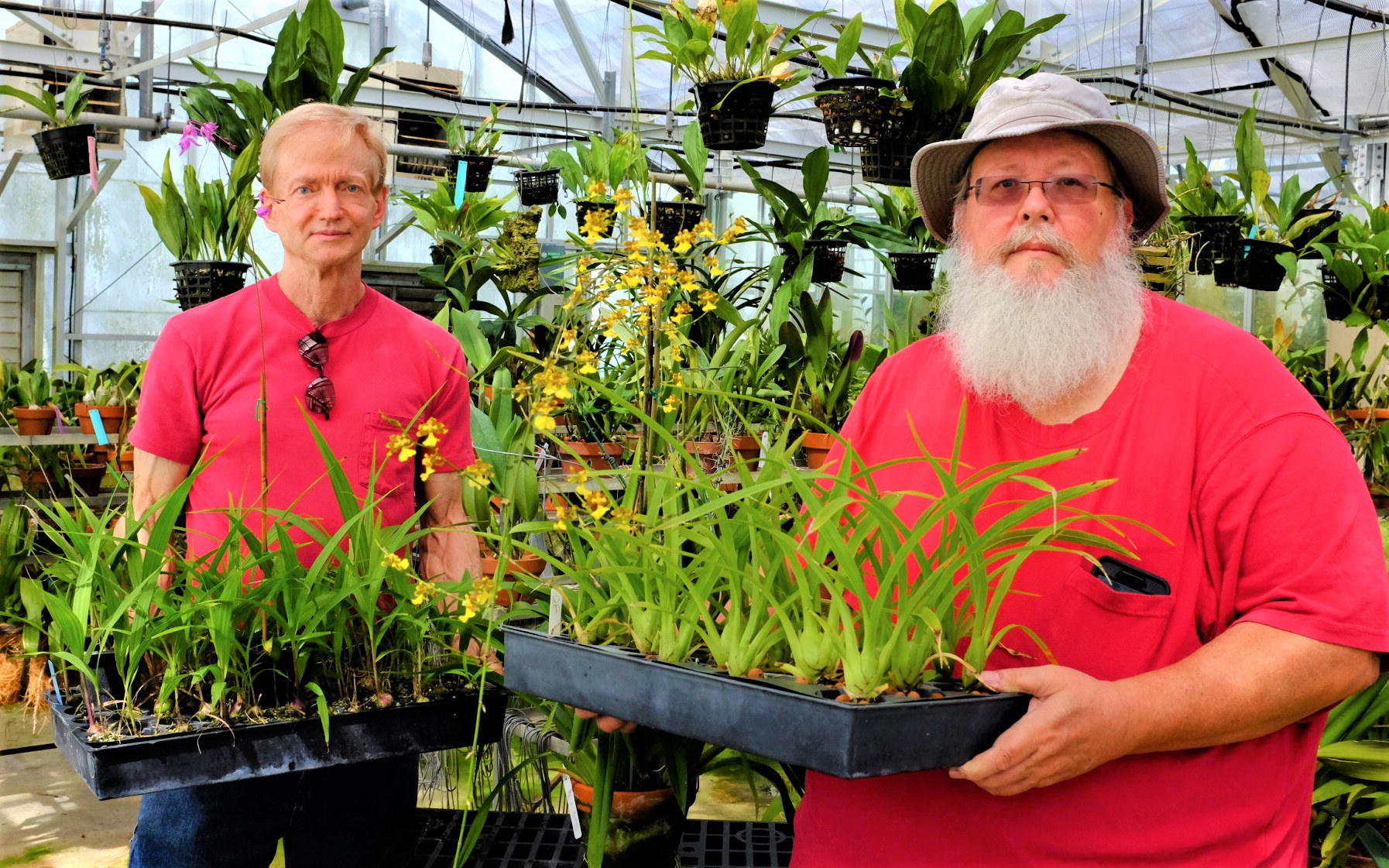
Dr. Javier Francisco-Ortega and I are currently teaching the graduate course, Plant Molecular Systematics, held at the Center for Tropical Plant Conservation. The course has both a lecture and lab component where students conduct their own projects using plants from the garden and the molecular lab. 

Last updated: Sept 26, 2011